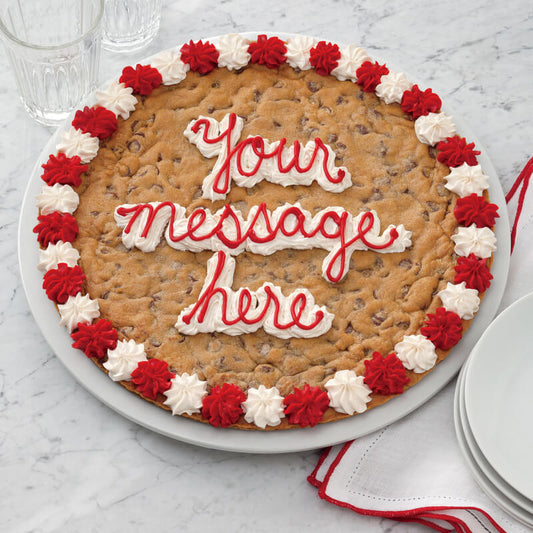

Make Your Own Cookie Butter is easier to tackle when the basics are clear from the start. Cookie butter is a spreadable paste made from ground cookies, blended with fat and other ingredients until it reaches the consistency of peanut butter or Nutella. It's rich, sweet, and deeply flavoured - with all the warmth and spice of the cookies it's made from, in a form you can spread on toast, swirl into brownies, or eat straight from a spoon.
Where Cookie Butter Comes From
Cookie butter as a commercial product is most associated with speculoos cookies - the crisp, caramelised, spiced biscuits popular in Belgium and the Netherlands. Since then, the concept has expanded: you can make cookie butter from almost any cookie. Gingersnaps make a warmly spiced version. Chocolate sandwich cookies produce something fudgy and rich. Graham crackers create a milder, honey-scented spread. Shortbread makes something buttery and delicate.
How to Make It at Home
Homemade cookie butter is straightforward and requires no cooking. Process your chosen cookies in a food processor until fine crumbs, then add fat and a liquid element and continue blending until smooth. A simple starting ratio: 2 cups cookie crumbs, 1/4 cup melted butter, 1/2 cup sweetened condensed milk, 1/4 cup evaporated milk. Blend until the mixture reaches a spreadable consistency - thick enough to hold on a spoon but loose enough to spread without tearing bread. Add water a tablespoon at a time to loosen if needed. Store in a sealed jar in the fridge for up to two weeks.
Ways to Use Cookie Butter
Spread on toast or waffles - the warm, spiced flavour of speculoos-style cookie butter on buttered toast is a genuine revelation. Swirled into brownies - drop spoonfuls onto brownie batter and swirl with a knife before baking for pockets of flavour and a marbled effect. As a filling for sandwich cookies - particularly good with chocolate wafers. Stirred into oatmeal or yoghurt - a spoonful transforms a plain breakfast. Used as a dip with apple slices, pretzels, and graham crackers. As a cheesecake base ingredient - replacing some cream cheese in a no-bake cheesecake creates something intensely flavoured.
Choosing the Right Cookie
The most important decision in making cookie butter is the cookie itself. Spiced cookies (gingersnap, speculoos, snickerdoodle), nutty cookies (peanut butter, almond shortbread), and chocolate-forward cookies all hold up well. Mrs. Fields cookies make an excellent starting point - baked with real butter and quality ingredients, a cookie butter made from Mrs. Fields chocolate chip cookies has a richer flavour with more developed caramel undertones than a generic brand.
Understand how to make your own cookie butter with useful context, practical details, and clear next steps you can apply right away.
Related ideas to explore next If you want to keep building on this topic, good next reads include Cookie Christmas Ornaments, 15 Brilliant Baking Hacks, and 5 Easy Ways to Remember Birthdays. They are useful for comparing techniques, finding adjacent inspiration, or choosing a Mrs. Fields option that fits a different craving or occasion.
FAQ
1. What is cookie butter made from?
Cookie butter is made from finely ground cookies blended with fat (typically butter or coconut oil) and a liquid element (sweetened condensed milk or cream) until smooth and spreadable. The base cookie determines the flavour - speculoos (Biscoff) is the most common, but you can use almost any cookie.
2. How long does homemade cookie butter last?
Homemade cookie butter keeps in a sealed jar in the refrigerator for up to two weeks. Bring to room temperature before using, as it firms up when cold. Commercial versions like Biscoff have a much longer shelf life due to preservatives, but homemade versions taste significantly better.
3. What cookies work best for homemade cookie butter?
Richly flavoured cookies produce the best results - spiced cookies like gingersnap or snickerdoodle, chocolate-forward cookies, or nutty cookies like peanut butter shortbread. Avoid very plain or neutral cookies as they fade into the background when blended with fat and condensed milk.