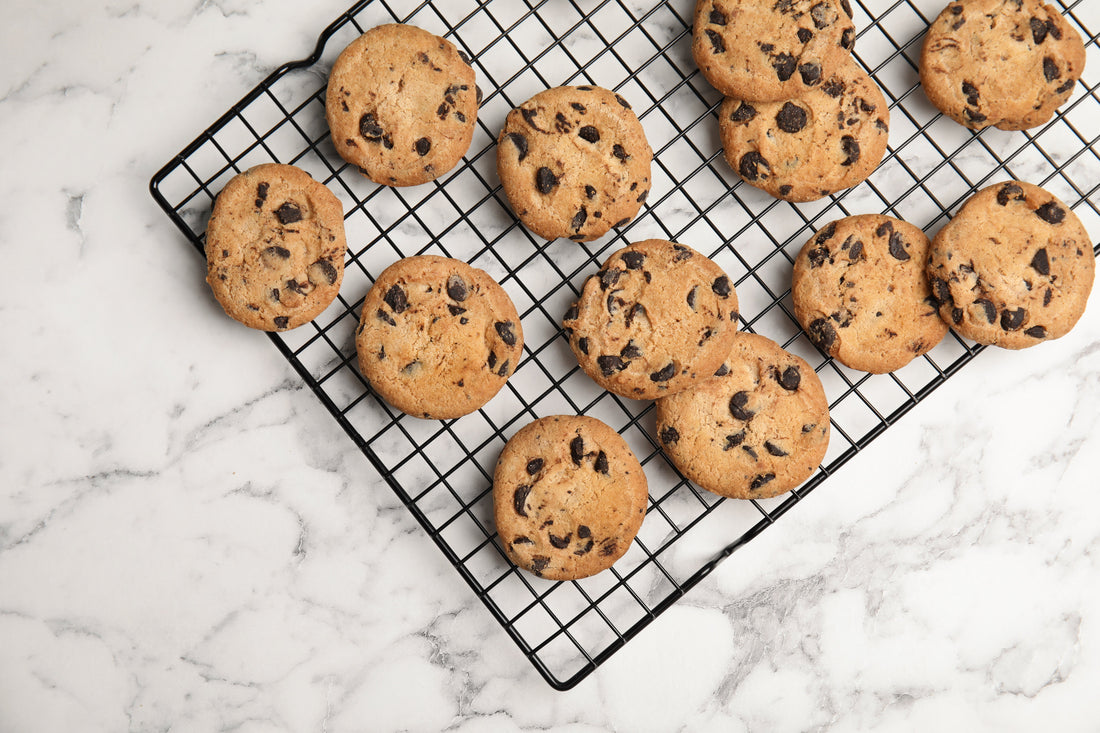
You don't want a batch of freshly baked cookies to go to waste. So, can you freeze cookies? Absolutely - and it's one of the best ways to always have a quality treat on hand. Here's everything you need to know about freezing both baked cookies and cookie dough.
How to Freeze Homemade Baked Cookies
Step 1: Gather supplies - cooling rack, plastic wrap, parchment paper, airtight container or freezer-safe bags, and a permanent marker for labelling. Step 2: Cool completely first - placing warm cookies in the freezer causes condensation that ruins texture and flavour. Let them cool fully on a rack before freezing. Step 3: Wrap individually in plastic wrap - seal all edges to minimise air exposure; this preserves texture, prevents freezer burn, and stops cookies from sticking together. Step 4: Store in an airtight container or freezer bag - layer with parchment paper in containers; squeeze out as much air as possible from bags. Step 5: Freeze for up to 4 months - beyond four months quality declines; label containers with the freezing date to track freshness.
How to Freeze Cookie Dough
Freezing cookie dough saves time and means you can go straight to baking whenever you want a fresh treat. Shape the dough first: drop cookies (chocolate chip, oatmeal raisin) - scoop into individual balls; slice-and-bake cookies (shortbread, sugar) - roll into a log, wrap tightly, and slice from frozen when ready to bake; cut-out cookies (gingerbread, decorated sugar) - roll to desired thickness and freeze flat, or cut shapes first and freeze until firm before transferring to a container. Wrap shaped dough tightly in plastic wrap, then place in a freezer bag. Freeze for up to 3 months. Bake drop cookies directly from frozen, adding 2-3 extra minutes; thaw slice-and-bake logs in the refrigerator before slicing.
What Types of Cookies Can You Freeze?
Most cookies freeze well: chocolate chip, oatmeal raisin, snickerdoodles, shortbread, peanut butter, and gingerbread all freeze beautifully. Cookies with cream cheese frosting, fresh fruit fillings, or custard-based elements do not freeze as well - the fillings can separate or become watery on thawing. Plain baked cookies with no perishable fillings or frostings are the best candidates.
Tips for Freezing Cookies
Always cool completely before freezing. Freeze in a single layer on a baking sheet first, then transfer to containers - this prevents them from sticking together before wrapping. Label everything with the cookie type and date. Thaw at room temperature in the sealed container to prevent condensation. Warm briefly in a 300°F oven for 5 minutes for a fresh-baked feel.
Explore how to freeze cookies and cookie dough with step-by-step guidance and practical tips for the best results.
Related ideas to explore next If you want to keep building on this topic, good next reads include How to Keep Cookies Fresh, How to Ship Cookies, and Mrs Fields Cookie FAQ. They are useful for comparing techniques, finding adjacent inspiration, or choosing a Mrs. Fields option that fits a different craving or occasion.
FAQ
1. Can you freeze baked cookies?
Yes - most baked cookies freeze extremely well for up to 4 months. Cool completely, wrap individually in plastic wrap, and store in an airtight container or freezer bag with as much air removed as possible. Thaw at room temperature in the sealed container. Warm briefly in a low oven for a fresh-baked experience.
2. Can you freeze cookie dough?
Yes - frozen cookie dough is one of the most convenient things you can keep in your freezer. Shape the dough first (scoop drop cookies into balls, roll slice-and-bake into logs, cut out shapes for cut-out cookies), wrap tightly, and freeze for up to 3 months. Bake drop cookies directly from frozen, adding 2-3 extra minutes to the bake time.
3. How do you thaw frozen cookies?
The best method is to remove frozen cookies from the freezer and let them thaw at room temperature in their sealed container - this prevents condensation from making them soggy. For a freshly baked experience, warm thawed cookies in a 300°F oven for 5 minutes. Avoid microwaving, which makes cookies tough and rubbery.