
Chocolate is one of the most loved foods on earth - and one of the most misunderstood. If you've ever wondered why some chocolate tastes so much better than others, or how a cacao bean becomes the thing that makes a chocolate chip cookie worth eating, here are the facts that every chocolate lover should know.
Chocolate Comes From a Fruit
Cacao beans grow inside large colourful pods that hang directly from the trunk and branches of the Theobroma cacao tree. Inside each pod are 20-50 cacao beans surrounded by a sweet white pulp. The pulp is fermented along with the beans after harvest - a process critical to developing the precursor compounds that become chocolate's characteristic flavour when roasted.
It Takes About 400 Cacao Beans to Make One Pound of Chocolate
Each cacao tree yields enough pods per year to produce roughly one to two kilograms of finished chocolate - and the harvest, fermentation, drying, roasting, and conching process is almost entirely labour-intensive. The countries that produce the most cacao (Côte d'Ivoire and Ghana together account for over 60% of global supply) are among the lowest-income in the world, which is why ethical sourcing and fair trade certification matter so much in the chocolate industry.
The Word "Chocolate" Comes From the Aztecs
The word traces back to the Nahuatl word xocolātl, which roughly translates to "bitter water." The ancient Aztecs and Maya consumed cacao as an unsweetened drink, often mixed with chilli and served cold. Cacao was so valuable it was used as currency. Chocolate didn't arrive in Europe until the 16th century, and the chocolate bar wasn't invented until the 19th century.
Dark, Milk, and White Chocolate Are Very Different Products
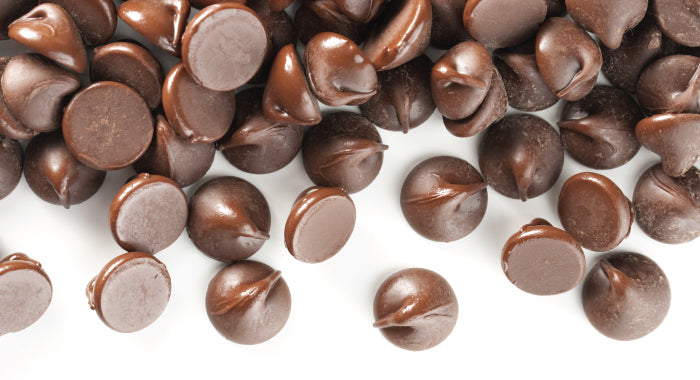
Dark chocolate contains cocoa solids and cocoa butter with little to no milk. Milk chocolate adds milk solids and more sugar. White chocolate contains no cocoa solids at all - only cocoa butter, milk, and sugar. For baking, the type of chocolate you use makes a significant difference. High-quality dark chocolate chips produce a more complex, slightly bitter counterpoint to the sweet dough - the chocolate in a great cookie is a key flavour element that needs to be chosen with care.
Chocolate Contains Compounds That Genuinely Affect Your Mood
Chocolate contains theobromine (a mild stimulant related to caffeine), phenylethylamine (associated with feelings of excitement and attraction), and compounds that trigger the release of endorphins. Dark chocolate also contains flavanols linked to cardiovascular benefits. This explains why reaching for a piece of good chocolate during a stressful afternoon has a noticeable effect.
Quality Chocolate Is Worth the Investment
The difference between mass-market chocolate and genuinely premium chocolate is substantial in flavour, texture, and ingredient quality. This is why the chocolate in a Mrs. Fields cookie tastes distinctly better than what you'd find in a standard supermarket equivalent - the ingredient decisions that go into the chocolate matter as much as the baking decisions that go into the cookie itself.
Understand fun facts about chocolate with useful context, practical details, and clear next steps you can apply right away.
Related ideas to explore next If you want to keep building on this topic, good next reads include Recipe Chocolate Marshmallow Clouds, Chocolate Chip Cookies 101 Three Important Tips, and Recipe Blue Ribbon Chocolate Chip Cookies. They are useful for comparing techniques, finding adjacent inspiration, or choosing a Mrs. Fields option that fits a different craving or occasion.
FAQ
1. Where does chocolate come from?
Chocolate comes from cacao beans, which grow inside large pods on the Theobroma cacao tree in tropical climates within about 20 degrees of the equator - primarily West Africa, South America, and Southeast Asia. It takes about 400 cacao beans and a multi-step fermentation, roasting, and processing process to produce one pound of finished chocolate.
2. What is the difference between dark, milk, and white chocolate?
Dark chocolate contains cocoa solids and cocoa butter with little or no milk. Milk chocolate adds milk solids and more sugar, producing a sweeter, creamier product. White chocolate contains no cocoa solids at all - only cocoa butter, milk, and sugar - which is why some debate whether it should be called chocolate. The higher the cocoa percentage on dark chocolate, the less sugar and more intense the flavour.
3. Does chocolate really improve your mood?
There's genuine science behind it. Chocolate contains theobromine (a mild stimulant), phenylethylamine (associated with feelings of excitement), and compounds that trigger endorphin release. Dark chocolate also contains flavanols linked to cardiovascular benefits. The effect is real, though modest - good chocolate genuinely does make a stressful afternoon slightly better.


