
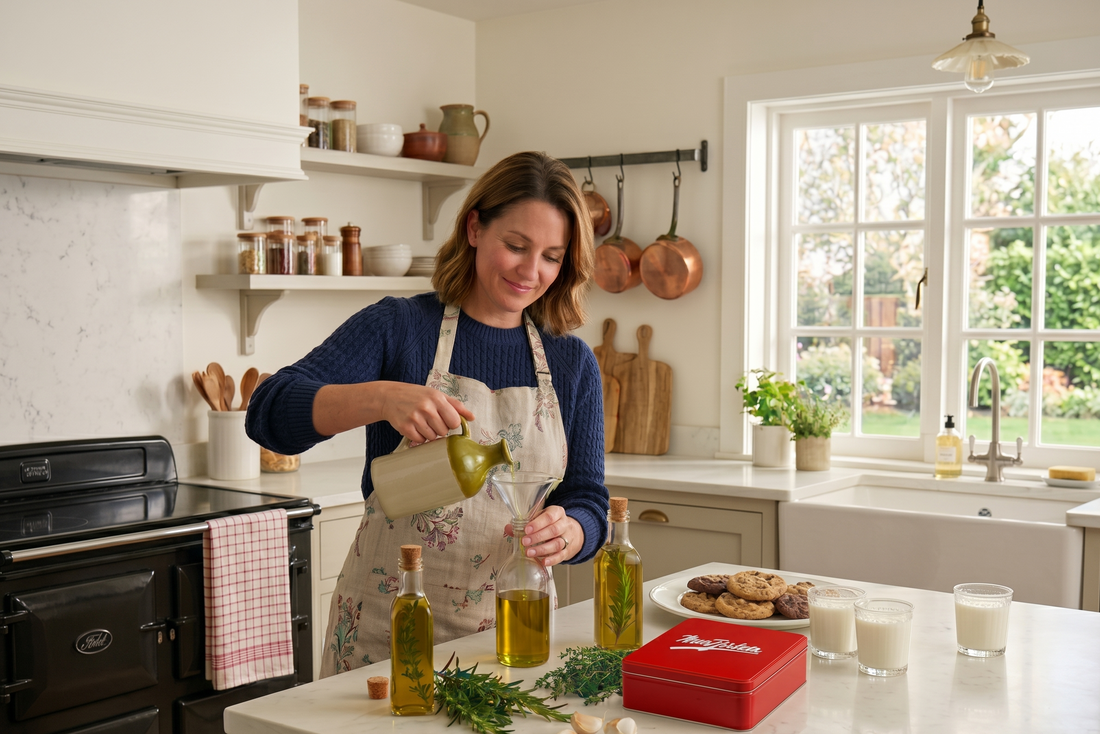
If you are wondering about how to preserve fresh herbs in olive oil, the most useful place to start is with a clear process, a few practical checks, and the small details that usually make the difference between a smooth result and a frustrating one.
The Problem with Fresh Herbs Fresh herbs are one of those ingredients that make an enormous difference to cooking - and one of the most reliably wasted things in a home kitchen. Preserving fresh herbs in olive oil solves this elegantly. The process is simple, the result lasts for months in the freezer, and you end up with something arguably more useful than the fresh herb itself - herb-infused oil that adds both flavour and fat to whatever you're cooking, ready to use directly from frozen in 30 seconds.
Why Olive Oil Works
Oil preserves herbs by creating an anaerobic environment that inhibits the enzymes responsible for oxidation and degradation. Freezing the oil-herb mixture is the safest and most practical storage method - it eliminates botulism risk and extends shelf life to 3-6 months without any compromise in quality.
The Basic Method
- Step 1 - Prepare the herbs. Wash thoroughly and dry completely - water in the mixture causes ice crystals. Pat dry with paper towels and air dry for 10-15 minutes.
- Step 2 - Strip the leaves from woody stems (rosemary, thyme, oregano, sage).
- Step 3 - Finely chop by hand or blend in a food processor.
- Step 4 - Combine with olive oil at approximately 1 part herb to 2 parts oil. The mixture should be loose and pourable.
- Step 5 - Spoon into ice cube trays and freeze until solid (at least 4 hours). Pop frozen cubes into labelled freezer bags - keeps up to 6 months.
Which Herbs Work Best
Excellent: Rosemary, thyme, sage, and oregano preserve exceptionally well - their sturdy leaves and robust oils mean flavour stays strong throughout freezing. Good: Parsley, chives, and tarragon work well with slightly more delicate flavour. Use with caution: Basil turns dark when frozen in oil, though flavour is fine for cooking into sauces.
How to Use Frozen Herb Cubes
Drop a cube directly into a hot pan at the start of cooking - it melts within 30 seconds, releasing herb-infused oil ready for garlic, onions, or whatever you're building a dish from. One cube of rosemary-thyme oil starts a roast chicken. Two cubes of sage oil melt before adding gnocchi. An oregano cube goes directly into a tomato sauce base.
Explore how to preserve fresh herbs in olive oil with useful context, practical details, and clear next steps you can apply right away.
Common Mistakes to Avoid
Not drying herbs thoroughly before mixing - water causes ice crystals and can affect texture and safety. Storing at room temperature rather than freezing - oil-preserved herbs require freezer storage for safety. Mixing incompatible herbs - keep strong herbs like rosemary and sage separate from delicate ones like basil and chives for more versatile individual cubes.
Related ideas to explore next If you want to keep building on this topic, good next reads include a Spoonful of Sugar and Other Fresh Flower Tips, How to Make Cut Flowers Last Longer, and Tips for Keeping Your Cookies Fresh. They are useful for comparing techniques, finding adjacent inspiration, or choosing a Mrs. Fields option that fits a different craving or occasion.
FAQ
1. Is it safe to preserve herbs in olive oil?
Yes, when frozen. Freezing eliminates the botulism risk associated with room-temperature or refrigerator-stored oil-herb mixtures, and extends shelf life to 3-6 months. Never store herb-olive oil mixtures at room temperature for more than a few hours.
2. How long do herb-in-olive-oil cubes last in the freezer?
Up to 6 months when stored in sealed freezer bags. Label each bag with the herb type and date. After 6 months the flavour may begin to fade, though the cubes remain safe to use.
3. What ratio of herb to olive oil should I use?
Approximately 1 part fresh herb to 2 parts olive oil. The mixture should be loose and pourable - thick enough to hold the herbs suspended but fluid enough to pour into ice cube trays. Strong herbs like rosemary may need slightly more oil; delicate herbs like parsley can handle a higher herb ratio.


